As our loved ones age, maintaining their safety and independence becomes a priority. Many seniors cherish the ability to live at home or enjoy outings without constant supervision. This desire for autonomy, however, often comes with worries for family members, especially when considering potential emergencies like falls or sudden health issues. Finding the right balance between independence and security is a common challenge for many families today.
I have observed how technology steps in to bridge this gap. Modern solutions offer ways to protect seniors while supporting their active lifestyles. These tools are not about restricting freedom, but rather about providing a safety net. They give both seniors and their families greater peace of mind.
One key advancement in this area is the widespread adoption of mobile medical alerts. These devices are designed to provide immediate assistance whenever and wherever it is needed. They are transforming how we approach senior safety. This article explores how these systems truly help keep seniors safe.
The Evolving Landscape of Senior Care
The landscape of senior care has changed dramatically over the years. We see a strong preference among older adults to age in place, meaning they want to stay in their own homes for as long as possible. This is not just a preference, but often a significant factor in their overall well-being and quality of life. My experience shows that staying in a familiar environment helps maintain a sense of purpose and routine.
However, living alone or with minimal assistance carries inherent risks. Falls are a major concern, affecting one in four seniors each year. These incidents can lead to serious injuries, long recovery times, and a loss of confidence. Beyond falls, other medical emergencies like strokes, heart attacks, or sudden illnesses can occur without warning. When these happen, quick access to help is absolutely critical. Delayed response times can have severe consequences for an individual’s health outcome.
Traditional care methods often involve scheduled visits from family or professional caregivers. While valuable, these visits cannot cover every moment of the day. They leave gaps in supervision when an emergency might strike. This is where modern safety solutions offer a substantial advantage. They provide continuous protection, filling in the spaces where human supervision is not feasible.
I have seen families struggle with this dilemma. They want their parents or grandparents to be independent but also safe. This balancing act leads many to seek out supportive technologies. These technologies empower seniors to live their lives fully while providing a layer of security. We believe that nobody should have to choose between independence and safety. Technology can help make both possible.
Understanding Mobile Medical Alerts
Mobile medical alerts are personal safety devices that allow seniors to call for help with the push of a button. Unlike traditional in-home systems that rely on a landline and work only within the house, these mobile units are equipped with GPS and cellular technology. This means they function virtually anywhere there is cellular service. It allows seniors to maintain their active lifestyles without being tethered to their homes.
When activated, the device connects directly to a 24/7 monitoring center. Trained operators can then assess the situation. They can contact family members, dispatch emergency services, or simply offer reassurance. The two-way voice communication feature built into many devices allows the senior to speak directly with the operator. This provides crucial information during an emergency.
Key Features to Look For
When considering a mobile alert device, several features stand out as particularly beneficial. GPS tracking is a core component. It allows monitoring centers to pinpoint the user’s location accurately during an emergency. This is vital if the senior is disoriented or unable to communicate their whereabouts. Another essential feature is automatic fall detection. This technology uses accelerometers to sense sudden movements that indicate a fall. It triggers an alert even if the user is unconscious or unable to press the button. This automatic activation is a game-changer for many families. It removes a significant layer of worry.
Battery life is also important because seniors need a device that stays powered throughout their day. Many units offer extended battery life, some lasting several days on a single charge. This minimizes the need for frequent recharging. Water resistance is another practical feature for active seniors who might use their device in the shower or during light rain. These thoughtful design elements make a big difference in the device’s usefulness and reliability. They help ensure seniors stay safe no matter what their day brings.
How They Provide Immediate Assistance
The speed at which mobile alerts provide assistance is one of their most significant advantages. When a senior presses the alert button, the device quickly connects to the monitoring center. An operator is typically on the line within seconds. This rapid response means help is initiated almost immediately. It is much faster than if a senior had to fumble for a phone or wait for someone to check on them.
The operators are trained to handle a wide range of emergencies. They understand the urgency of medical situations and can quickly determine the appropriate course of action. This might involve calling 911 directly, contacting a designated family member, or both. The ability to communicate through the device’s speaker and microphone means the senior does not need to be near a phone. They can speak hands-free from wherever they are. This seamless connection to professional help truly enhances safety. It provides a critical link in times of need.
Empowering Independence and Peace of Mind
One of the greatest gifts we can offer our seniors is the ability to maintain their independence. Mobile medical alert systems are powerful tools for achieving this goal. They do not replace family support. They enhance it by providing a reliable safety net that fosters confidence. I believe that seniors thrive when they feel secure in their ability to handle daily life.
For many older adults, the fear of falling or having an emergency when alone can limit their activities. They might avoid walks, gardening, or even simple tasks around the house. A mobile alert device removes much of this apprehension. It allows them to engage more freely with their environment. They know that help is always just a button press away. This newfound confidence can significantly improve their quality of life. It enables them to continue doing the things they love. This freedom to move about their day without constant worry is invaluable.
This feeling of security extends to family members as well. It offers them immense peace of mind. Knowing that a parent or grandparent has a direct line to help 24/7 reduces anxiety. Family members can worry less about unexpected emergencies. They can trust that their loved one is protected. This allows them to focus on quality time together. It moves away from constant concern. I have heard countless stories from family members who feel a tremendous sense of relief after their senior begins using one of these systems. It transforms their relationship, making it less about supervision and more about connection.
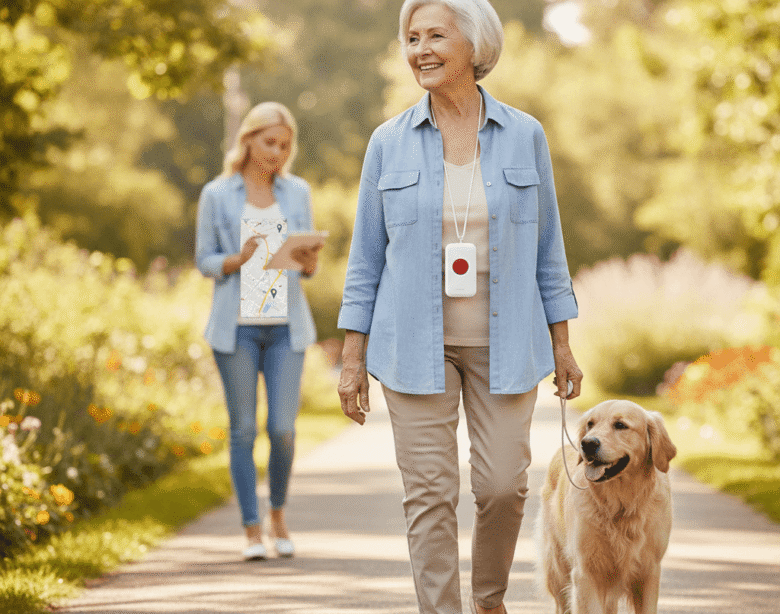
The freedom of movement that these devices provide is also a major benefit. Seniors can go to the grocery store, visit friends, or take a walk in the park. They do not have to carry a cell phone or worry about remembering emergency numbers. The device is typically worn as a pendant or bracelet. It is always within reach. This discrete yet powerful tool means seniors can truly live life on their own terms, knowing they have a dependable guardian with them at all times. This independence contributes to a healthier and happier senior lifestyle.
Real-Life Scenarios Where Alerts Make a Difference
The true value of mobile medical alerts becomes clear when we consider real-life situations. These are moments where a quick response can change an outcome dramatically. Imagine a senior enjoying a walk in their neighborhood. They trip on an uneven sidewalk and fall. They might be unable to get up or even call for help. With a mobile alert, especially one with fall detection, assistance is automatically summoned. If not, a simple button press connects them to a trained operator who can dispatch paramedics directly to their GPS location.
Another common scenario involves a sudden illness while away from home. A senior might be at the grocery store and experience chest pain or dizziness. They could feel disoriented and unable to speak clearly. Using their alert button, they can communicate with an operator. The operator can then relay their symptoms to emergency services. This ensures they receive prompt medical attention. Without the device, they might rely on a stranger to help, which could lead to delays or confusion.
For seniors living with conditions like dementia, wandering can be a serious risk. If they become lost or disoriented far from home, a mobile alert with GPS tracking can be a lifeline. Their location can be quickly identified by the monitoring center. Family or emergency personnel can then be guided to them. This greatly reduces the time they are in a vulnerable situation. These examples show that mobile medical alerts are not just for emergencies at home. They are designed for life lived outside the home as well. We strive to provide solutions that cover all aspects of a senior’s daily life.
I have heard first-hand accounts of these devices making a profound difference. One story involved an elderly man who suffered a stroke while working in his garden. His fall detection activated the alert, and paramedics arrived within minutes. Another time, a woman felt dizzy while waiting for a bus. She pressed her button, and an operator stayed on the line until her daughter arrived. These stories underscore the practical, life-saving impact of these systems. They offer immediate and targeted help when it matters most.
Choosing the Right Device for Your Loved One
Selecting the ideal mobile medical alert device involves careful consideration of several factors. Every senior is unique. Their lifestyle, technological comfort level, and specific health needs will guide the choice. We always recommend taking the time to assess these personal aspects. This helps ensure the chosen device truly meets their individual requirements.
Consider the senior’s daily routine. Are they very active, often leaving the house for errands, social events, or walks? Then a lightweight, water-resistant device with strong GPS capabilities and long battery life is probably best. If they spend most of their time at home but still desire the ability to move freely in the yard or garage, a hybrid system offering both in-home and mobile coverage might be suitable. We work to match the technology with the person.
Their familiarity with technology is another crucial element. Some seniors are comfortable with advanced features. Others prefer a simple, one-button device. Many modern alerts are designed for ease of use. They feature large buttons and clear two-way communication. But it is important to choose a device that will not overwhelm or confuse them. A device that is too complex might not be used in an emergency. So simplicity can be a great virtue here.
Assessing Lifestyle Needs
When I help families evaluate options, I always begin by asking about the senior’s lifestyle. An active senior who enjoys hiking or frequent travel might benefit from a device with extended range and international coverage if available. For someone who primarily stays at home but lives in a large house or has an extensive garden, an alert system that offers a wide signal range is essential. This ensures they can call for help from any corner of their property. We also discuss whether they have a history of falls or other medical conditions that might necessitate specific features, like automatic fall detection. This detailed assessment ensures the device is tailored to their specific way of life.
Understanding Service Plans
Beyond the device itself, understanding the associated service plans is vital. Most mobile medical alert systems operate on a subscription basis. These plans typically cover 24/7 monitoring services and cellular network access. I advise families to look closely at what each plan includes. Some plans offer additional features like medication reminders or daily check-in calls. The cost can vary based on the features chosen and the length of the contract. Always clarify cancellation policies and any potential hidden fees. Comparing different providers and their plans helps you make an informed decision. We want you to choose a service that offers the best value and coverage for your loved one. This financial consideration is as important as the device features. It affects long-term suitability.
Integrating Mobile Alerts into a Comprehensive Safety Plan
A mobile medical alert system is a powerful component of senior safety. But it works best when integrated into a broader, comprehensive safety plan. It is not a standalone solution. It is a critical layer in a multi-faceted approach to well-being. My experience tells me that combining technology with other preventative measures creates the most secure environment for seniors.
Think about the home environment. Simple modifications can significantly reduce fall risks. These include removing tripping hazards like loose rugs, installing grab bars in bathrooms, and improving lighting in hallways and stairwells. These practical steps complement the alert system by proactively preventing some emergencies from happening. We encourage families to conduct regular home safety audits. This ensures the living space is as safe as possible. These small changes can make a big difference.
Regular communication and check-ins with family members or caregivers remain essential. While an alert system provides constant monitoring, personal contact offers emotional support and helps identify non-emergency needs. Schedule regular visits, phone calls, or video chats. These interactions provide vital social connection and allow family members to observe any changes in the senior’s health or behavior. This human connection is something no technology can replace. It is a fundamental part of care.
Ongoing communication with healthcare providers is also key. Inform their doctors about the use of a medical alert system. Provide them with details about any new health concerns or changes in medication. This ensures that the medical alert service has the most up-to-date information. This helps them respond effectively in an emergency. A collaborative approach involving family, caregivers, and medical professionals truly maximizes a senior’s safety and overall health. We advocate for this holistic view of care. It protects our seniors in every possible way.
Ensuring Lasting Safety for Our Seniors
The journey to keep seniors safe while preserving their cherished independence is ongoing. Mobile medical alert systems have emerged as an invaluable tool in this effort. They offer a reliable safety net that extends beyond the home, providing crucial peace of mind for both seniors and their families. These devices empower older adults to live more freely, knowing that immediate assistance is always just a button press away, no matter where their day takes them. I have seen the tangible difference these systems make in preventing serious outcomes from falls and other medical emergencies. They allow seniors to maintain their dignity and preferred lifestyle. The thoughtful integration of features like GPS tracking, automatic fall detection, and two-way communication truly safeguards their well-being. We understand the importance of making informed choices. I urge you to explore the various options available. Consider the specific needs and lifestyle of your senior loved one. Research different providers and their service plans. This ensures you find a solution that offers the best blend of features, reliability, and cost-effectiveness. Investing in a mobile medical alert system is an investment in their continued independence and your shared peace of mind. It is a step towards a safer, more confident future for them and for you.