
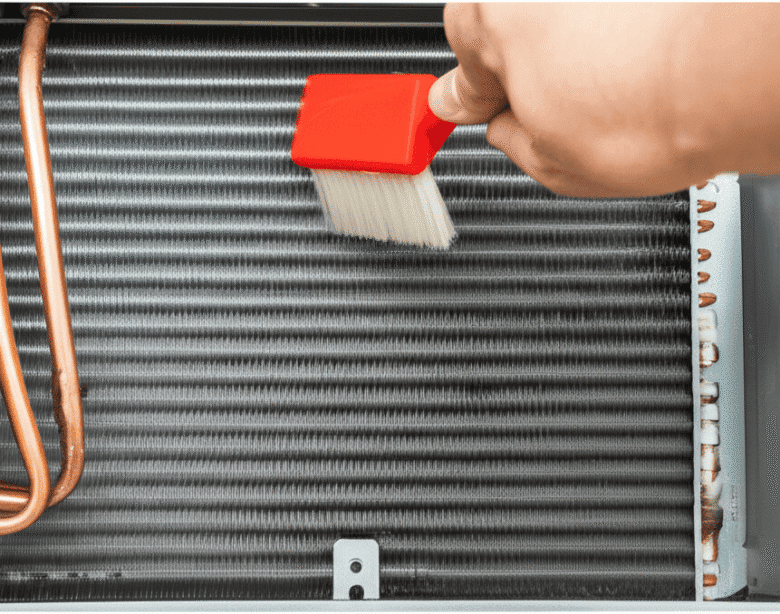
Cleaning the AC evaporator coil keeps your home cool when temperatures soar. A clean coil helps the AC blow cold air faster and stops your energy bill from jumping up, saving cash. Most folks just swap out filters when the AC stops working well, but the real magic lies in the coil inside the air handler that pushes cold air and controls moisture. Here’s a cool fact: dirty coils can make your system use up to 30 percent more energy. Giving that coil a quick scrub now can save a bundle and keep your place chill all summer long. This trick works best for people who want to stay cool without breaking the bank, so stick around and keep the heat where it belongs – outside.
This article walks through why the evaporator coil matters, how to spot trouble, practical steps for safe do it yourself cleaning, and when it is smarter to call a trained technician. I include real world tips that reduce the risk of accidental damage and extend equipment life. Read on for straightforward guidance you can use this season.
Cleaning Your AC Evaporator Coil Why it matters for performance and comfort
The evaporator coil absorbs heat from indoor air so refrigerant can carry it outside. When the coil is coated with dust, pollen, pet hair or sticky grime the air flow drops and heat transfer slows. That forces the compressor to run longer and work harder. The result is higher energy use, reduced comfort, and greater wear on system parts.
Beyond bills and comfort there is an indoor air quality effect. Moisture condenses on a cold coil. When dust and organic material are present that surface can become a site for mold or microbial growth. For allergy prone household members that visible or hidden growth can trigger symptoms. Regular coil care helps cut those risks while keeping the system reliable.
Signs Your Evaporator Coil Needs Cleaning
Look for these clear indicators that the coil may need attention
- Reduced cooling output when the thermostat is set correctly
- Longer run times with little temperature change
- Higher than normal energy bills without other explanation
- Frost or ice forming on the indoor coil or refrigerant lines
- Musty or stale odors when the system runs
- Visible dust or residue inside the air handler during filter changes
Not every symptom proves a dirty coil is the root cause. For example low refrigerant or a failing blower can create similar outcomes. Still if you see multiple signs at once cleaning the coil is a reasonable first step.
DIY Steps for Cleaning Your AC Evaporator Coil
Some homeowners can handle a careful cleaning while others prefer a technician. If you decide to take it on here is a safe, practical sequence to follow
Safety first
- Turn power off at the thermostat and the outdoor disconnect or fuse panel
- If you are unsure about shutting off power or accessing the air handler call a pro
- Wear gloves and eye protection to avoid contact with chemical cleaners or debris
Tools and materials to have on hand
- A soft brush and a vacuum with a brush attachment
- Foam coil cleaner that is labeled for evaporator coils and safe for your system
- A spray bottle with water for rinsing if the cleaner is a rinse type
- Disposable rags and a small container for captured debris
Step by step guide
- Remove the access panel to expose the coil and the drain pan. Inspect the pan and clear the drain if it is clogged.
- Use a soft brush and the vacuum to gently remove loose dust. Work with the fins not against them to avoid bending.
- Apply the manufacturer recommended foam cleaner following label directions. Many foams lift grime and drain away, minimizing rinsing.
- If the cleaner requires rinsing use low pressure water to avoid damaging fins or pushing water into areas that may not drain well. Do not point a high pressure nozzle directly at the coil.
- Allow everything to dry fully before replacing the access panel and restoring power.
- Replace or clean the air filter as a final step to reduce immediate recontamination of the coil.
Example tip from field technicians
When fins are bent a fin comb can straighten them to restore airflow. Work gently and match the comb teeth to the fin spacing. Small straightening actions pay off faster airflow without replacing parts.
When to Call a Professional for Evaporator Coil Service
There are practical limits to homeowner service. Call a licensed technician if you encounter the following
- Restricted access to the coil that requires disassembly beyond simple panels
- Evidence of refrigerant leaks around the coil or lines
- Extensive mold or biological growth covering multiple surfaces
- Frozen coil that does not thaw after basic maintenance steps
- Repeated performance problems after a DIY cleaning
If you prefer to have a scheduled professional inspection and cleaning a local provider will check refrigerant levels, test the blower, and perform a controlled coil cleaning. For homeowners in Southlake scheduling a seasonal tuneup can be a convenient way to combine inspection, cleaning and minor repairs Berkeys Southlake TX Seasonal AC Tuneup
Common Mistakes to Avoid During Coil Cleaning
The most frequent homeowner errors lead to damage or incomplete cleaning. Watch out for these pitfalls
- Using high pressure water that bends or tears fins
- Applying the wrong chemical cleaner which may corrode aluminum or other components
- Cleaning without shutting off power to the blower which can spread debris into the ductwork
- Neglecting the drain pan and drain lines which leads to recontamination
- Assuming that a dirty filter means the coil is automatically clean
Practical prevention
Always read cleaner labels and match the product to the coil material. Take photos before disassembly so reassembly is straightforward. If you find damage stop and call a technician rather than pressing on and causing a larger repair.
Benefits of Regular Evaporator Coil Maintenance
Routine coil attention pays off in measurable ways. Think of maintenance as low cost work that prolongs useful equipment life.
Lower energy use and improved cooling
Clean coils move heat more effectively which shortens run times. Shorter cycles reduce wear on the compressor and trim electricity consumption. In many homes the difference between a heavily soiled coil and a maintained coil shows up on the monthly utility bill especially during peak cooling months.
Better indoor air quality and fewer service calls
Removing dust and biological residue from the coil reduces sources of odors and airborne particulates. That can ease symptoms for sensitive occupants and reduce the frequency of emergency repairs caused by freeze ups or clogged drains.
Routine Schedule and Practical Tips
How often to clean depends on environment and usage. Use this guidance as a baseline
- Inspect the coil once a year as part of a spring tuneup
- In dusty homes or where pets shed a deeper clean every 6 months reduces buildup
- Always replace filters as recommended by the manufacturer to reduce coil loading
- After any project that produces airborne dust in the home check the coil within a few weeks
Small habits protect the coil long term. Keep the area around the outdoor unit clear so the entire system breathes freely. Keep vents unobstructed to preserve even airflow. Finally keep records of cleanings and any repairs so a technician can spot recurring patterns.
Conclusion
Cleaning Your AC Evaporator Coil is a cost effective step that supports comfort, indoor air quality and system longevity. With basic precautions homeowners can handle light cleaning while recognizing when the job calls for a trained technician. Regular visual checks, timely filter changes, and careful attention to drain lines all reduce the odds of performance problems and costly downtime.
If you perform a DIY cleaning keep safety as the top priority. Turn off power, use appropriate cleaners, and avoid high pressure rinsing that can damage delicate fins. If you encounter leaks, excessive biological growth, or complex access issues schedule professional service. A qualified HVAC technician can test refrigerant, treat biological buildup safely, and confirm the blower and controls are operating as intended.
Ready to protect your cooling system this season Choose the option that fits your comfort level and schedule a check up if you have any doubts. Routine maintenance prevents many service calls and keeps your system running steadily when temperatures rise. Contact a local HVAC professional today to set up an inspection or a cleaning visit and keep your home cool and healthy all year long.


